Research Lite
Get a concise sourced answer with inline citations, source list, visible budget, and partial-result handling.
Temporarily unavailable
This tool is temporarily unavailable. Please check back soon.
You won't be charged any Credits.
What is Research Lite?
Research Lite answers one focused question using accessible public sources, inline citations, and a source list you can verify. Set a Credit upper bound from 24 to 80, run the search-backed research, and inspect whether each cited page supports the corresponding claim. The beta requires at least two accessible sources for a complete result and may return a partial or failed state rather than inventing citations.
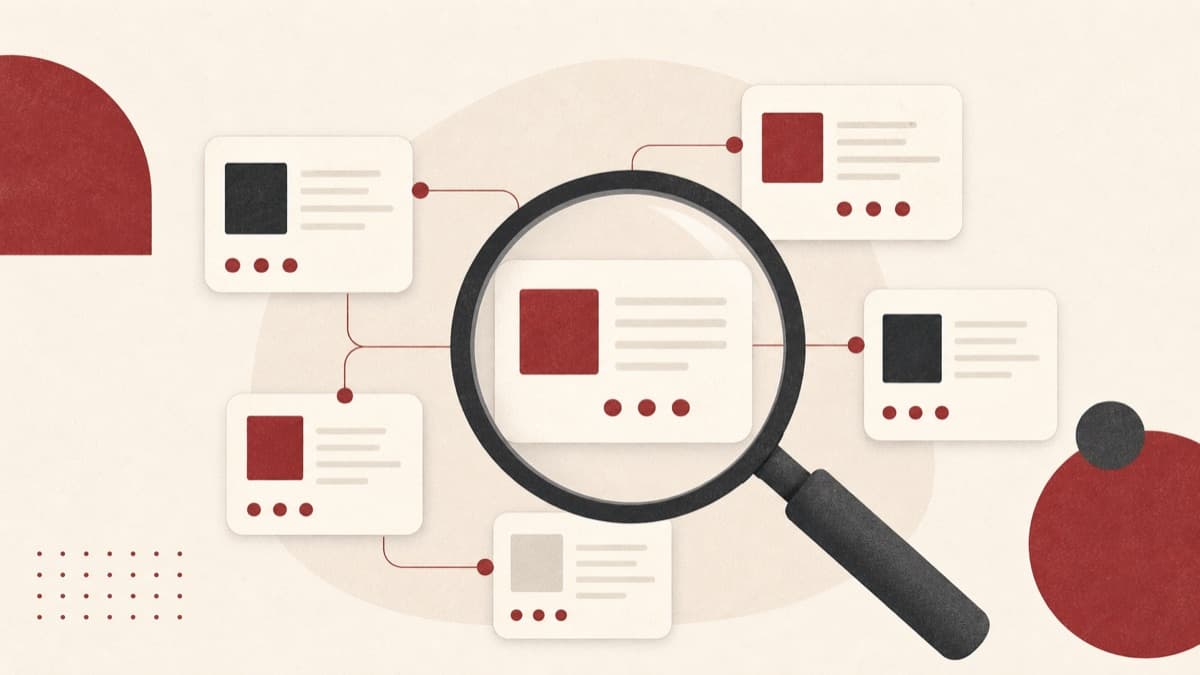
A quick answer is less useful when its sources are unclear.
Research can stall when claims cannot be traced or access restrictions hide the evidence. Research Lite uses accessible public sources, attaches inline citations, and reports partial coverage honestly when some sources cannot be verified.
How to use Research Lite
- 1
Ask one focused question
Frame a question answerable from public sources.
- 2
Set the Credit upper bound
Cap spending between 24 and 80 Credits before running.
- 3
Run the research
The answer includes inline citations and a source list.
- 4
Verify the sources
Open the cited links and confirm they support the claims.
Examples
Architecture tradeoffs
What are the main tradeoffs of serverless job polling for long-running AI tasks?
Concise answer, key points, inline citations, accessible source list, actual Credits, and History recovery.
Operational comparison
How do service callbacks compare with scheduled polling for long-running media jobs?
Grounded comparison with citation markers and honest partial-result handling.
Use cases
Understand a new topic with citations you can check.
See grounded tradeoffs between tools, methods, or patterns.
Gather accessible references before deeper manual research.
Why use Research Lite?
Accessible citations you can check
Inline markers map to public pages listed with the answer. Inaccessible pages are not presented as supporting sources.
Budget control before research
Choose an upper bound from 24 to 80 Credits before execution. Partial results settle only verified-source work up to 24 Credits, while unsuccessful runs release or refund the reservation.
Honest partial-result handling
A complete answer requires at least two accessible public sources. If those source checks or search are unavailable, the request does not start and no Credits are charged.
Limits
FAQ
What happens if Research Lite cannot verify enough sources?
It returns Partial or Failed instead of inventing citations. Unsuccessful runs release or refund the reservation; Partial runs settle only verified-source work up to the stated cap.
Does Research Lite cite inaccessible pages?
No. Inline citations must map to accessible public sources that appear in the source list.
Can I control the maximum Credit use?
Yes. Set an upper bound from 24 to 80 Credits before execution.
How many sources are needed for a complete answer?
At least two accessible public sources are required for a complete result.
Does Research Lite bypass paywalls or login pages?
No. It uses accessible public pages and does not start when required source checks are unavailable.
Related tools
Start using Research Lite now
Get a concise sourced answer with inline citations, source list, visible budget, and partial-result handling.